Moving Companies in New London, CT
Moving Costs in New London, CT
Local moves are priced hourly, with a truck fee or a set minimum charge added on top. A two-mover crew with a truck typically runs $100 to $150 an hour, close to the statewide average of about $134, while larger homes needing three to four movers scale up to roughly $200 to $300 an hour. A studio or one-bedroom generally runs $400 to $800 depending on volume and stairs, and a two to three-bedroom home usually totals $600 to $1,900 or more, factoring in the standard two to three-hour minimum most companies enforce. Booking between May and September can add 20 to 40 percent to the final bill.
New London's historic streets and narrow staircases can slow a crew down or require a shuttle van, adding a long-carry fee. Pack boxes fully ahead of time to make the most of that paid minimum window, and always ask for a binding or not-to-exceed estimate before moving day.
Compare local options in the directory below.
Free · no obligation
Quotes from movers in New London, CT
Two answers below and we pass your move to licensed companies from this page. No account, no fee to you.
Filter & sort Rating, reviews, fleet, licence
Best Movers in New London, CT
Ranked by popularity. Licensing, insurance and photos shown for each.






















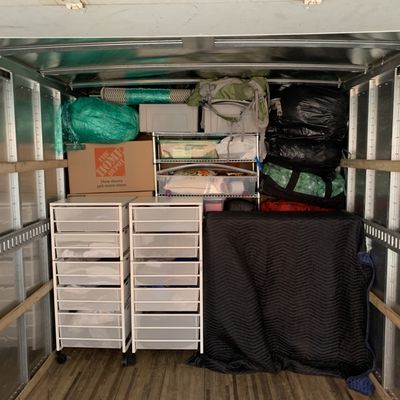
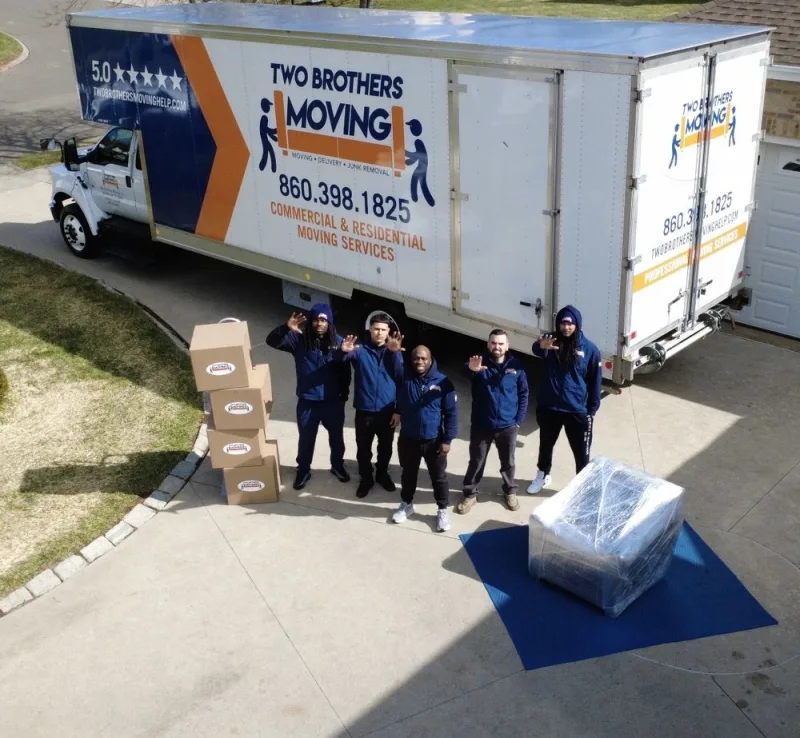
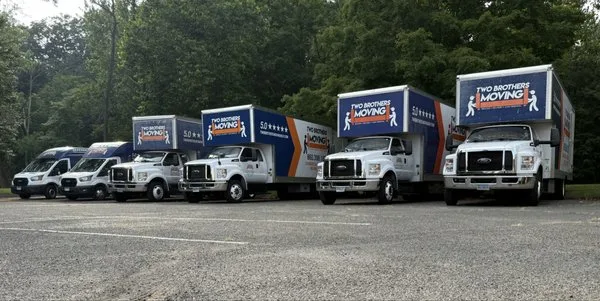

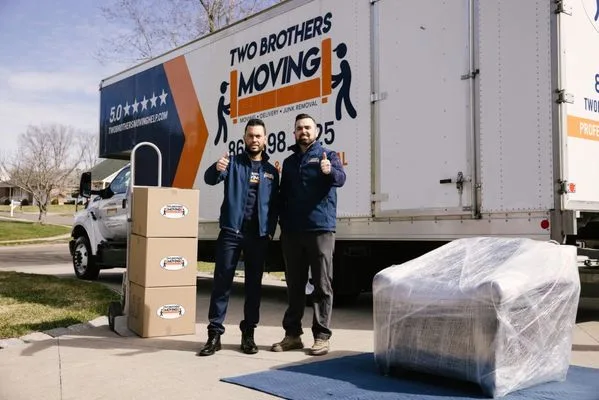


What customers say in New London, CT
Who's moving to New London, CT
Federal tax-filer migration data for Southeastern Connecticut Planning.
65% arrived from another state. Long-haul moves need a carrier with active interstate operating authority — plenty of local companies don't hold one.
See licensed movers34% of departures stayed under 50 miles. Short local moves are usually priced by the hour, so a regional company is often the cheaper call.
See the full picture — 5-year trend, state flows and top routes
Each bar shows that state's in/out split — rows are ranked by total volume.
Households arriving from another state report $67,866 in average annual income; those relocating from elsewhere in Connecticut report $66,274. Long-distance arrivals are the higher-budget half of the market.
How this works: IRS SOI County-to-County Migration Data, 2022-2023. The IRS compares the address on consecutive tax returns, so every move here is a real filed household. The catch: it publishes annually with about a two-year lag, counts Southeastern Connecticut Planning rather than city limits exactly, misses people who don't file a return, and leaves 38% of moves unattributed to a specific county, because flows too small to publish are grouped into regional buckets instead. See the whole state on the Connecticut migration page →
How much truck space do you need?
I’m moving a that’s .
Industry rules of thumb — about seven pounds per cubic foot, and published rental-truck capacities. Not our carrier records, not a quote. Bring both numbers to the call and what you get back will finally be comparable.